Addiction Treatment Texas: Harm Reduction Approaches Explained
Texas is a big, complex location to look for help for compound use. Urban centers like San Antonio, Austin, and Houston host growing networks of therapy and peer support, while country counties often rely on thinly stretched centers and a couple of determined outreach teams. Legislations around medicine paraphernalia, naloxone, and diversion programs vary by area and evolve from year to year. At the same time, fentanyl has actually altered the risk landscape, increasing the risks of also periodic usage. In this context, injury reduction does not compete with addiction treatment. It strengthens it.
Harm decrease is a practical approach with a medical backbone. It aims to reduce prompt risk, protect health, and construct count on, whether an individual awaits abstaining, curious concerning cutting back, or merely attempting to stay alive. Over twenty years in the area, I have actually seen damage decrease bridge people into care much faster than lectures or warnings ever could. When utilized well, it becomes the runway right into treatment options throughout the state, consisting of outpatient counseling, inpatient detoxification, and drugs for opioid use disorder.
What damage reduction suggests in Texas practice
Harm decrease is not a single program. It is a set of techniques, mindsets, and devices that satisfy individuals where they are. In Texas, this appears like overdose education and learning with naloxone, safer use therapy, medication-based stabilization, injury treatment, and low-barrier links to addiction treatment. The job is frequently carried out by a mix of clinicians, peer recovery professionals, mobile groups, and area companies that receive state and federal funding.
A normal encounter may begin in a San Antonio library yard, a shelter in Laredo, or a church parking area in Abilene. A peer specialist uses naloxone and a brief discussion. No documents, no stress. The individual accepts a kit, shares that they have been making use of pushed tablets, and asks where to discover aid that does not entail a long wait. That solitary interaction, dealt with without judgment, ends up being the initial step to an evaluation, after that to medication, then to housing assistance. I have actually seen that arc play out several times.
Texas includes its own shapes. Laws around syringe accessibility and fentanyl screening products have actually shifted unevenly. Some services run under health and wellness education and learning umbrellas, others via mail-based circulation. Drug stores can dispense naloxone through standing orders without an individual prescription. Legal securities for calling 911 throughout overdoses exist but include conditions and exceptions, and they have actually not filtered right into public recognition consistently. The outcome is a patchwork. Carriers in Texas find out to function inside that jumble as opposed to awaiting a perfect map.
Overdose avoidance as the front door to care
The most prompt form of harm reduction is overdose avoidance. The arrival of fentanyl in counterfeit pills and heroin products has actually pressed overdose risk into regions and age groups that seldom saw it previously. The professional goal ends up being simple: maintain oxygen moving to the brain long enough for an individual to obtain help, and minimize the opportunity that they will make use of alone.
Naloxone is main. It turns around opioid overdoses when sprayed right into the nose or infused into muscle mass. Texas drug stores can dispense it without a patient-specific prescription under statewide standing orders. Numerous community teams distribute kits at no cost, frequently combined with quick training. That training should be sensible, not academic. In my practice, I time it under 5 minutes when required. People remember what they rehearse.
Here is a compact checklist I utilize when training relative or customers:
- Recognize overdose: reduced or stopped breathing, pinpoint students, no feedback to voice or pain.
- Call 911 initially, then provide naloxone: 1 spray per nostril, or a single intramuscular shot if that is the package you have.
- Provide rescue breathing: one breath every 5 to 6 seconds, watching the upper body rise.
- If no reaction in 2 to 3 minutes, give a second dose and continue rescue breathing up until assistance arrives.
- After revival, expect withdrawal and disorientation, and remain with the person.
A few useful notes pay dividends. Naloxone can subside in 30 to 90 mins while long-acting opioids remain in the system, so clinical analysis is still crucial also when a person gets up. Several dosages may be required with fentanyl direct exposures. Store packages in a location that is easy to reach and understood to housemates, not buried at the rear of a drawer. If expense is a barrier, ask local injury reduction programs or call 211 Texas to locate totally free circulation sites in your county.
Fentanyl examination strips and fact checks
People that think they are using just benzodiazepines or stimulants are overdosing on fentanyl in growing numbers. Checking medicine examples with fentanyl test strips lowers that threat. Historically, Texas dealt with these strips as medicine materiel in some contexts. Recent plan changes in a number of jurisdictions have actually lowered charges or made clear public health usage, but the lawful picture has not been flawlessly consistent. If you run a program, check area and city guidance, and consult your responsibility service provider before bulk acquiring. When strips come, they can be taught in minutes, and they change actions. I have seen customers minimize dosage dimensions, avoid making use of alone, and pick therapy earlier since they did not like rolling dice.
Safer usage and injury treatment are not finishes in themselves
Safer usage therapy has to do with protecting health and wellness today so a person can make a different selection tomorrow. That includes sensible steps like spacing dosages, staying clear of mixing opioids with alcohol or benzodiazepines, and using with a trusted individual in the area. With stimulants and xylazine appearing in medicine products, injury care matters as much as respiratory system education and learning. Needle-related infections, abscesses, and cellulitis trigger even more hospitalizations than overdoses in some cohorts. Early cleaning, sterile dressings, and access to anti-biotics head off long term inpatient stays.
Syringe service programs have lengthy track records for decreasing HIV and liver disease C transmission and connecting individuals to treatment. Texas does not have uniform statewide authorization for syringe services, and regional guidelines differ. Some communities rely upon mobile outreach, health education and learning models, or mail-based materials to lower transmission risks. In San Antonio, Bexar County wellness groups and not-for-profit partners have actually historically offered a mix of testing, inoculations, and affiliation to care even when syringe circulation dealt with lawful limitations. The core ethic continues to be the exact same: people are more likely to seek therapy when they have not been reproached or pushed underground.
Medications for opioid use condition: the best harm reduction tool
Three medicines have durable evidence for opioid use problem: buprenorphine, methadone, and extended-release naltrexone. Buprenorphine and methadone minimize death by half or even more compared to no drug. They stabilize mind receptors, considerably reduced desires, and permit individuals to reconstruct the remainder of their lives without combating continuous withdrawal.
Buprenorphine can now be suggested by any medical professional with a typical DEA enrollment, because government regulation eliminated the separate waiver demand. In Texas, medical care centers, emergency departments, and telehealth techniques increasingly provide it. Methadone should be given with licensed opioid therapy programs, which are clustered in cities. Wait times variety from same-day intakes to numerous weeks, depending upon region and clinic capability. Extended-release naltrexone, a regular monthly injection, functions best after complete detox and is matched for individuals who choose a villain or who do far better without partial agonists.
The most reliable injury reduction programs in Texas weave these drugs into low-barrier access points. I have seen this work in 2 ways. Initially, emergency divisions initiate buprenorphine throughout or right after overdose turnaround, then hand off to outpatient care within 24 to 72 hours. Second, mobile teams use same-day telehealth begins combined with drug store pickup, after that fulfill clients in the area to fix dosing and adverse effects. Relapse is treated as details, not failing, and doses are adjusted to match the person's life. When people really feel treated like individuals instead of troubles, they stick around.
Addiction therapy in San Antonio: what the landscape looks like
Addiction therapy in San Antonio extends outpatient counseling, extensive outpatient programs, residential treatment, and drug management. The Center for Health Care Services runs safety net solutions for Bexar Area, including detox and stablizing options. UT Wellness San Antonio and associated facilities give addiction psychiatry and integrated look after people with co-occurring psychological wellness requirements. Peer-led healing recreation center host teams and offer assist with real estate, IDs, and employment, which matters more than several realize.
Bexar Region's public health groups have actually focused on overdose education, naloxone circulation, and link to care. Law enforcement and EMS pilots have actually additionally try out post-overdose outreach that brings a counselor and a peer to a person's door within a day or 2 of an occasion. On the ground, that follow-up feels much less like a program and even more like a neighbor checking in with practical offers. Much of these efforts are supported by the Texas Targeted Opioid Feedback, a statewide campaign that funds therapy gain access to, peer services, and prevention.
Residents outside the metropolitan core typically use a hub and talked technique. A patient could start buprenorphine via telehealth with a San Antonio or Austin prescriber, grab medication at a regional pharmacy, and meet a peer face to face once a week at a collection in a smaller community. This combined design reduces transportation barriers and keeps energy going between appointments.
The function of Texas Targeted Opioid Reaction and OSAR
Two statewide resources deserve interest. Texas Targeted Opioid Reaction, moneyed with federal bucks and managed by state agencies and scholastic partners, sustains naloxone circulation, clinic growth, and training for clinicians and peers. Lots of cost-free naloxone sets on the road trace back to TTOR. The second is OSAR, which means Outreach, Screening, Assessment, and Reference. OSAR providers serve details areas and help Texans locate a proper level of care, https://collinilje312.vantagequill.com/posts/san-antonio-addiction-treatment-how-to-choose-the-right-therapist confirm financing, and get onto waiting lists when needed. For somebody unsure where to start, calling the local OSAR number or 211 links them to an overview who speaks the language of Texas insurance policy strategies, region resources, and distance.
When abstinence-only messaging backfires
Telling an individual to quit or else hardly ever works in a state where ranges are long, methamphetamine is cheap, fentanyl is unforeseeable, and childcare is limited. Severe guidelines generate extreme failures. In household programs that eliminate homeowners for a solitary gap, I have viewed people go back to the street angrier and at greater threat than previously. By comparison, programs that incorporate damage reduction develop graded reactions. If a person makes use of, they meet with a counselor, check out triggers, tip up framework for a period, and welcome medical review for drug adjustment. The individual is anticipated to involve, not vanish.
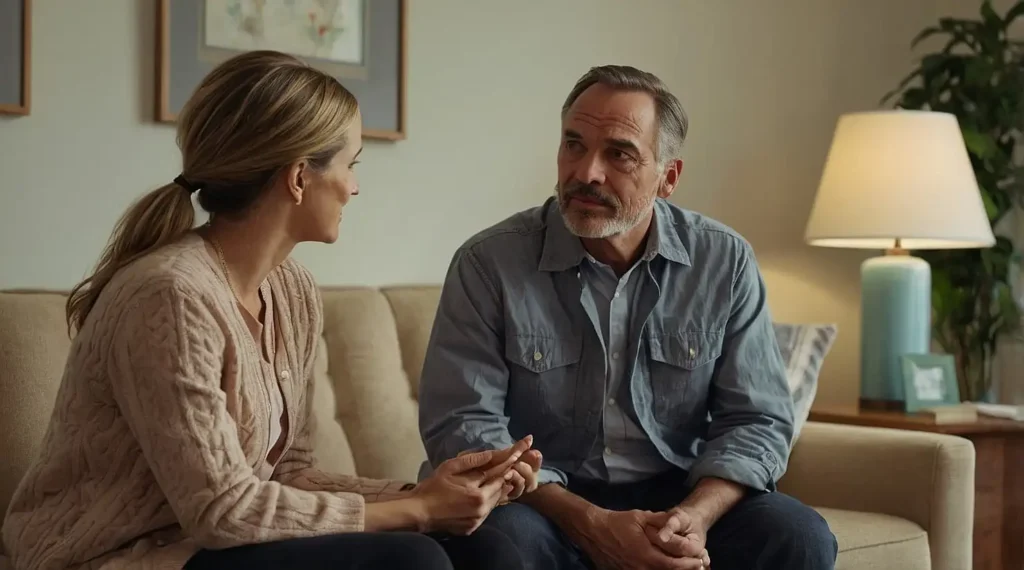
Abstinence can be a goal. As a matter of fact, many individuals prefer it. Injury decrease merely broadens the runway. It secures the individual's body and dignity while they get there, and it invites them when they stumble. Family members usually require this reframing as much as customers do.
Integrating psychological health and wellness, discomfort treatment, and housing
Substance usage sits at the crossway of trauma, clinical depression, anxiety, chronic discomfort, and unstable real estate. In Texas, psychological health waiting lists run long in some areas, so therapy groups prosper when they intertwine solutions rather than shuttling individuals between silos.

For clients with chronic pain, buprenorphine at analgesic application can minimize discomfort and stabilize opioid use at the very same time. Physical therapy, rest treatments, and non-opioid medications round out the plan. When somebody cycles in between the ER and the road, situation supervisors focus on recognition documents, risk-free sanctuary, and clinical coverage. A bed and a working phone can be worth more than a lots therapy sessions. In San Antonio, collaborations in between centers and housing agencies have actually produced warm handoffs that occur the very same day rather than at the end of a month.
What to anticipate from an injury decrease educated clinic
Not all centers use the term damage decrease, yet you really feel the distinction when you walk in. Staff talk simply, clarify drugs without lecturing, and deal with regression as component of the training course of care. Urine medicine screening is made use of to guide medication decisions, not to punish. Appointments are regular early on, after that taper as stability enhances. Peers with lived experience being in the very same meetings as medical professionals and social employees, and their voices lug weight.
Intake must cover instant safety risks first. Do you have naloxone? Are you making use of alone? Are you blending alcohol or benzodiazepines with opioids? Next comes a conversation concerning goals. Some intend to quit. Some wish to cut back. Some want to keep using yet not die. Each of those objectives can be honored while moving closer to evidence-based addiction treatment. Insurance policy, transportation, and child care restraints get interest on day one, not after documents is complete.
Law, policy, and the daily selections that follow
Texas policy on overdose avoidance has actually relocated incrementally. Naloxone access has actually increased via pharmacist standing orders. Restricted legal defenses for calling 911 during an overdose exist, but they have qualification requirements and do not cover every situation. Syringe solutions and medication checking materials inhabit a narrower room, and programs adapt as regional analyses shift. All this issues due to the fact that law shapes habits. If people fear apprehension for calling 911, they delay. If they can not discover sterile products, infections rise. When naloxone is complimentary and everywhere, individuals live long enough to enter treatment.
For program leaders, it pays to develop relationships with law enforcement and EMS. Joint trainings demystify naloxone, clarify diversion-to-care choices, and established expectations regarding field encounters. In Bexar County, joint initiatives have actually lowered friction and developed room for post-overdose outreach. The conversations are frank. Policemans share what they see during graveyard shift. Clinicians clarify why a person misses a consultation after 3 evenings without sleep. Each side entrusts fewer assumptions.
Special factors to consider for stimulants and polysubstance use
Texas has actually seen a steady increase in methamphetamine usage, commonly mixed with fentanyl or benzodiazepines. Damage decrease below looks various. Naloxone does not reverse stimulant toxicity, however it should still be present, since fentanyl contamination is common. For methamphetamine, the focus changes to hydration, air conditioning, sleep, and managing psychosis or agitation early. Contingency management, a behavior method that rewards certain objectives like going to sessions or giving stimulant-negative medication examinations, reveals solid results. While government and state funding regulations can complicate cash-based motivations, creative programs in Texas make use of affordable rewards or crucial products to attain the same behavior effect without running afoul of limits.
Practical pathways for Texans seeking help now
The void in between reading about options and getting help is where many people fail. A couple of concrete actions can shut that gap.
- Call your area's OSAR line or 211 Texas for a guided reference, including clinics that begin buprenorphine within days and property programs with present bed counts.
- If you are near San Antonio, ask your health care clinician about buprenorphine or request a same-day telehealth assessment. Several techniques can complete the first go to virtually and send a prescription to a neighboring pharmacy.
- Pick up naloxone the same day, whether at a pharmacy under the standing order or through a community program. If cost is a problem, ask clearly for no-cost alternatives funded via state initiatives.
- If you use opioids today, do not use alone. Allow a relied on person understand, maintain naloxone noticeable, and stay clear of mixing with alcohol or sedatives. If you utilize energizers, focus on sleep and hydration, and take into consideration behavior supports that reward little, constant steps.
- Keep paperwork simple. Picture your ID, insurance coverage card, and drug checklist on your phone. If you lack ID, ask a peer program or clinic social worker to help you change it before a crisis hits.
How households can practice injury decrease without enabling
Families in Texas frequently ask just how to help without making things even worse. The line between assistance and allowing is not as slim as it feels. Supply safety and security and structure, not cash money. Keep naloxone in your home and in the handwear cover compartment. If your loved one is open to medication, help arrange the first visit and choose them if they want business. Offer rides to consumption assessments, not to suppliers. Learn the indications of overdose and exercise the action actions together so no person freezes when seconds matter.
Set borders that are specific and enforceable. As an example, you might say, I will not permit substance abuse in the house, yet I will drive you to the center two times a week till you are stable on drug. If items go missing, alter locks and revisit the strategy with a counselor existing. Families that combine concern with clear limitations wear out much less and remain in the battle longer.
Measuring progress without letting excellence get in the way
Clinicians like tidy results, but healing is untidy. In a Texas outpatient program based in injury reduction, we track three points initially: less overdoses, fewer infections and hospitalizations, and more days of risk-free real estate or employment. Abstinence might be the eventual goal, but early wins anticipate long-lasting success. A customer who relocates from daily use and regular monthly emergency room sees to medication-assisted stability, a part-time work, and weekend break gos to with their children is not a marginal case. They are heading in the appropriate direction.
Use periods, not solitary points, to judge development. Did presence boost throughout the last eight weeks, even if one week broke down? Did an individual who made use of two times last month call their peer for help both times instead of vanishing? These are the markers that signal sturdy change.
The bottom line for Addiction Treatment Texas
Harm reduction is the connective cells of addiction treatment in this state. It maintains individuals alive, develops trust fund, and smooths the delve into therapy. In San Antonio and beyond, it looks like naloxone in pockets, medication starts right away, outreach that values personal privacy, and clinics that prepare for setbacks. It likewise resembles households discovering brand-new routines and programs bargaining with policymakers rather than waiting on best laws.
If you or somebody you enjoy requirements assist, begin with a regional telephone call. Ask about same-day buprenorphine, cost-free naloxone, and peer assistance that can fulfill you where you are. If one door is closed, try one more. Texas allows, however so is its network of people who desire you to make it to following week. With damage reduction at the facility, the odds improve, and the paths right into addiction treatment broaden, from the pathways of downtown San Antonio to the ranch roadways that run past the sides of town.